EYEMOS® ad: 6 years, don’t make my mistake

EYEMOS®
21 active ads🇬🇧
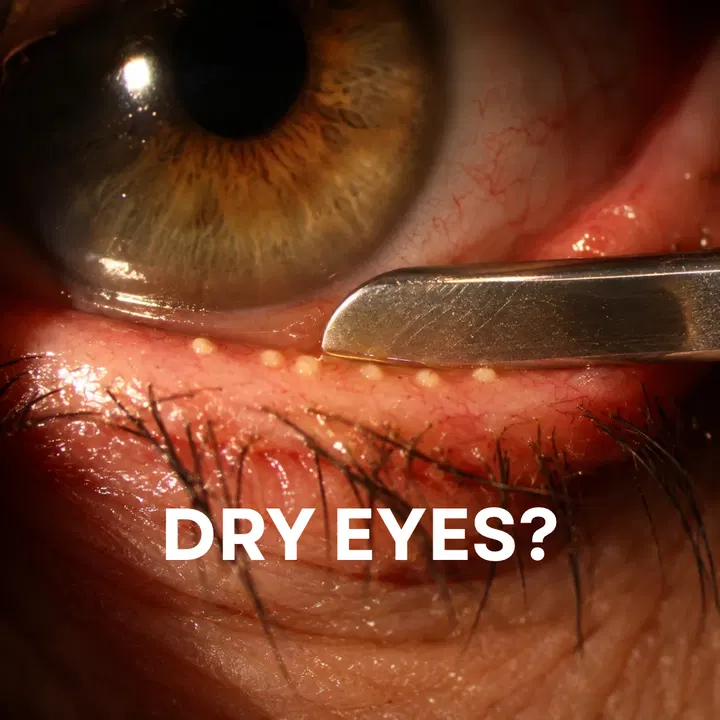
Six years of gritty, burning eyes. Over $7,500 on drops, Restasis, warm compresses and fish oil, and none of it helped. All that time I believed it was just dry eyes. But dry eyes was only the warning sign of something much worse. Just a few months ago, I woke up with my eyelids glued shut, and by the afternoon they were burning. Today I sleep through the night without even thinking about my eyes. And what changed it wasn't something any of my doctors gave me. My name is Linda. I'm 58. I live in Michigan. I work part-time as an office manager for a dental practice. And for six years, I had accepted burning, gritty eyes as a permanent part of my life. Because after four doctors in six years, the last one told me he'd done everything he could. I believed him. Why wouldn't I? He's a doctor. So I stopped hoping, and I quietly built my entire life around tolerating it. It started at 52. My eyes would burn at my computer by mid-afternoon. I figured I was staring at screens too much. I bought Systane from the drugstore. It worked for about twenty minutes. Then the burning came back. Within a year I was using drops six times a day, and I never left the house without them. I wasn't looking for a fix anymore. I was looking for a way to get through the day. By year three, I had gone through everything on the shelf. Systane. Refresh. TheraTears. Preservative-free vials. Warm compresses twice a day, ten minutes each. Fish oil capsules. A humidifier in every room. None of it lasted. The drops gave me twenty minutes. The compresses gave me maybe an hour. The fish oil gave me nothing I could feel. Then I escalated. Restasis. $540 a month without insurance. My copay was $85. Applied twice a day. Burns on contact. A sharp, hot sensation that lasts about ninety seconds while you grip the edge of the sink with your eyes squeezed shut. Twice a day. Every day. My ophthalmologist told me the burning meant it was working. Four months. $340 in copays. Zero change. When I went back, he looked at my chart for a long time. Then he said, "I've done everything I can." Then perimenopause hit. And everything I'd been tolerating got worse. The dryness that used to start at 2 PM moved to 10 AM. The morning seal, that glued-shut feeling when I woke up, went from annoying to painful. I was prying my eyelids open with a warm compress every single morning. And here's the part I didn't notice happening. I stopped reading in bed, which I'd done every night since I was a girl. I stopped driving after dark, so I stopped going to my book club. And I stopped our walks after dinner, the ones my husband and I had taken for thirty years, because the wind made my eyes stream. Nobody took those things from me in one day. My eyes took them, one by one, and I was too busy getting through each day to even notice they were gone. Think about yours for a second. What did you love doing five years ago that you quietly stopped doing because of your eyes? That's what this has really been costing you. And I'd accepted all of it. I thought that's just what dry eyes is. You use your drops, you get through the day, and you live with it. But one thing never made sense to me. If my eyes were so dry, why did they stream every time I stepped into the wind? And why did I need more drops every single year, when the drops were supposed to be what kept them wet? If you're reading this, you've probably done what I did. Blamed the screens. Blamed the dry air. Blamed the drops for not being strong enough. Maybe even blamed your doctors. It wasn't any of those. Read the next part carefully. Because what you're tolerating is not standing still. And what's happening inside your eyelids while you wait doesn't stop just because nobody told you about it. But I couldn't accept that this was it. Somebody had to have the real answer, and I just hadn't found them yet. So I found a dry eye clinic an hour away. The specialist pressed on my eyelids, looked through the microscope, then photographed the inside of my eyelids under infrared light. She turned the screen toward me. "These are your meibomian glands," she said. If that word means nothing to you right now, it will in a minute. Trust me. It meant nothing to me either, and four doctors in six years had never said it once. There are about 30 of them, top and bottom, sitting inside your eyelid tissue. They make the thin oil layer that decides whether your tears stay on your eye or evaporate between blinks. Mine were clogged. The oil inside had gone thick, like cold butter. That's why my tears were drying out within seconds, no matter how many drops I put in. It's also why they streamed in the wind. With no oil to hold the tears in place, my eyes kept flooding and drying out, over and over. She recommended warm compresses first. I told her I'd tried them. They helped for a bit, but I couldn't walk around, work or read with a hot mask on my face. She nodded. Then she suggested IPL. Pulsed light on the skin around the eyes, followed by squeezing the glands open. Four sessions, a month apart, around $400 each. A light treatment, right next to my eyes. It scared me. But I was out of options, so I said yes. And it worked. For a while. By the third session I was using drops twice a day instead of six. For the first time in years, my days felt normal again. I cried in the car after the last one. And it proved something to me. For six years, everything I put on the surface of my eyes did nothing that lasted. The first time someone treated the glands, I felt it within weeks. The problem had been in my glands all along. I thought it was finally over. It wasn't. Four months later, the burning was back by the afternoon. A month after that, I was reaching for drops before I'd finished my morning coffee. I called the clinic, thinking something had gone wrong. "Nothing went wrong," the nurse said. "That's completely normal. Most of our patients come back every three to six months to keep it under control. We call it maintenance." At the front desk, the receptionist was already booking my next one. She even asked if I wanted to set up the one after that, to save time. That night I sat down at my kitchen table with every receipt, every copay and every bottle I still had under the bathroom sink, and I added it up. $7,500. Six years, four doctors and a clinic had cost me $7,500, and my eyes were exactly where they were the day it started. Worse, actually. That number broke something in me. Not the money. The time. Six years of tolerating something that never once got better. Six years of following instructions that led exactly nowhere. So that night, I stopped taking whatever they offered me next. I looked at that pile of receipts and saw my next six years. More drops. More appointments. More of my life quietly crossed off. I was 58. By 64, I'd be waking up every morning already dreading the day, my eyes burning before my feet hit the floor, counting the hours until I could close them again. I wasn't going to let my eyes take one more thing from me. If nobody was going to find the answer for me, I'd find it myself. The clinic had shown me where the problem was. What nobody could tell me was why the glands kept clogging, and what would stop them. So I started reading. Not the pamphlets my doctor gave me. Not the back of the Restasis box. Actual published studies. The kind of papers you have to read three times because they're written for scientists, not for people like me. Dozens of hours of reading later, I finally understood every failed drop, every wasted dollar, every morning I spent prying my eyes open. Meibomian glands are fed from the inside, by what your body gives them, like every other part of you. When they don't get what they need, the oil they make turns thick and sticky, and it clogs them again. No drop reaches them. No compress reaches them. No prescription applied to the outside of your eye touches the tissue where the oil is actually made. Suddenly, six years made sense. The drops gave me twenty minutes because they only add water on top, and without oil to seal it in, it evaporates. The compresses gave me an hour because they melt the oil already stuck in the glands, then the glands make the same thick oil again by morning. Restasis did nothing because it calms the front of the eye, while the problem sits inside the eyelid. And the IPL faded because it squeezed out the old oil, but nothing was feeding the glands making the new oil. Every single thing I'd tried was working on the surface. Six years of surface treatments. The problem was never on the surface. And now I'm going to tell you what was actually happening inside my eyelids for six years while I tolerated it. Meibomian glands that go unfed long enough don't just slow down. They atrophy. The tissue breaks down. And once a meibomian gland is gone, it's gone. It does not grow back. Every year you wait, there's less left to save. For six years I called it "just dry eyes" and managed it with drops, compresses and prescriptions. And the whole time, the glands that keep my tears on my eyes were dying. Nobody told me. That's what "I've done everything I can" cost me. Not just $7,500. Glands I will never get back. But not all of them. The scan from the clinic showed it: even after six years, most of mine were still there. So the real question was no longer how to unclog them again. It was what those glands needed to keep making clean oil on their own, every single day. My first thought was, a supplement for my eyes? I'd taken fish oil for a year and felt nothing. But if the glands are fed from the inside, then the inside is the only place left to reach them. Fish oil had just been the wrong piece. The research pointed to four specific nutrients. All working from the inside. All reaching the glands that no drop, no compress, no prescription ever touches. GLA from borage seed oil. It feeds the meibomian glands the raw material for clear, thin oil. Not fish oil. Fish oil gets spread across your whole body. GLA feeds the glands directly, and it was studied specifically in dry eye patients in the journal Cornea. Oral hyaluronic acid. It hydrates the tear film from the inside, at the 250mg dose used in the research. Not from a dropper that evaporates in twenty minutes. Bioavailable curcumin. It clears the chronic, low-grade inflammation that's been eating at the gland tissue for years. Standard turmeric from the grocery store? Your body can barely absorb it. A bioavailable form actually reaches the tissue. Astaxanthin. It reaches the eye tissue and protects the glands from oxidative damage. Four ingredients dry eyes actually need, each with its own job: oil production, hydration, inflammation and oxidative protection, all from the inside. No single study had all four together. I pulled them from separate papers. But the pattern was clear: the glands need all four inputs. Everything on the market hit one at best. Most products I found failed immediately. Macular formulas built for the retina, slapped with a "dry eye" label. Wrong part of the eye entirely. Fish oil with no GLA. Turmeric with no bioavailability. Hyaluronic acid at 50mg when the research used 250mg. Then one night a woman in a dry eye group I'd joined posted the label of what she'd been taking since her IPL wore off. All four ingredients, at the doses in the research. I ordered it that night. I was done losing my glands. Every one of these ingredients has been studied in dry eye patients and published in medical journals. These are clinically proven ingredients, and they work from the inside, right where the glands are. Here's how it went. Week one. Not much. Gritty morning. Drops before lunch. But I'd read enough to know this works from the inside out. Not on contact. Not in twenty minutes. The glands needed time. Week two. The mornings changed. The sealed-shut, glued-together eyelids I'd been prying open with a warm compress for years? I opened my eyes within a minute of waking up. No compress. Week three. I was reading on the couch at 8 PM and realized I hadn't used drops since breakfast. Eleven hours. I'd been reaching for them every two hours for years. Week four. After dinner, my husband was putting on his jacket to go for his walk, the one he'd been taking alone for two years. I grabbed mine and went with him. Wind. Cold air. The sun going down. Forty minutes, and I didn't reach for drops once. My eyes watered a little in the wind the way normal eyes water. The kind you wipe once and forget. When we got home, I sat on the porch steps and just sat there. Because for six years I had accepted that my eyes would always interrupt my life. And they just didn't. Week six. My friend Patty came over. She tilted her head across the kitchen table. "Something's different about you." "I haven't used drops in four days." "Linda. You used drops constantly." "I know. But here I am." That same month I went back to book club. I drove there myself, after dark. This is what my mornings used to look like, every single day: a warm compress to pry my eyes open, drops before coffee, drops at 10, drops at lunch, drops in the car, drops at 3, and a bottle on the nightstand for when the burning woke me up. And it kept getting worse. And this is what they look like now: my capsules with breakfast, and then I go live my day. I take them every morning, like my vitamins. The one week I ran out, the burning was back by day four. That's how I know it's working, and I haven't missed a morning since. Either way, you're doing something every day. What changes is what you get for it. The formula with those ingredients that I take every morning is called EYEMOS Hydro Restore. Seven nutrients, every dose listed on the label, no proprietary blend. Made in the USA, built for the meibomian glands, and it works alongside whatever your doctor has you on. So wherever you are with this, find yourself here. If you're early, using drops a few times a day, burning by the afternoon, still telling yourself it's screens or age, this is the easiest point to change course. It's also the point almost everyone skips, because nothing really hurts yet. I skipped it for two years. If you're on compresses, lid scrubs and fish oil, ten minutes twice a day and still reaching for drops, you're working on the oil from the outside. It helps for an evening, but the gland makes the same thick oil again the next morning. If you're on Restasis, Xiidra or steroid drops, with the burn at the sink, the copays and months of waiting to see if it's working, these calm the surface. That's all they do. Steroid drops especially aren't meant to be used forever, and your doctor knows it. None of them feed the gland underneath. If you've had IPL or LipiFlow, you already know how this goes. It worked, then it faded, and now there's a next appointment on your calendar. Wherever you found yourself, it's the same story. I'm writing this because nobody wrote it for me. Four doctors, a clinic and six years, and in the end I had to find the answer myself at my own kitchen table. If one woman reads this and doesn't lose six years the way I did, it was worth every word. I order Hydro Restore every three months, and it comes out to about $1.20 a day. It also comes with a 60-day money-back guarantee. I spent six years and $7,500 on things that didn't come with any promise at all. You can keep going the way you're going, with drops, compresses, prescriptions and treatments that work until they don't. Or you can feed the glands you still have, clear the inflammation choking them, and get your days back. Don't wait six years like I did. This is where I get mine: https://eyemos.com/products/hydro-restore
Performance Signals
- Status
- Stopped
- Time Running
- 2 days
- Active Period
- Oct 30, 2026 → Nov 1, 2026
- Advertiser live ads
- 21
- First Seen
- Nov 1, 2026
Creative & Links
- Meta page ID
- 822439117613250
- Format
- Image
- Placements
- FACEBOOK, INSTAGRAM, AUDIENCE NETWORK, THREADS
- Country
- 🇬🇧 United Kingdom
- Landing Page
- eyemos.com/products/hydro-restore
- Original Ad
- Open in Meta Ad Library
More from EYEMOS®
See every ad this brand runs, with run dates, countries and the AI hook and angle of each.
Start 7-day free trialEYEMOS®
eyemos.comExperience soothing comfort with DryRelief by EYEMOS®. Designed to address dryness, irritation, and tired eyes, this heated mask supports your eyes' natural hydration process for enhanced comfort. Easy to use, reusable, and crafted for relaxation, it delivers targeted warmth to help you feel refreshed and revitalized.
Shop Infos
- Created
- Feb 23, 2024 · 2y 9m
- Category
- Health › Vision Care
- Live ads
- 21
- Peak ads (7d)
- 39
Search every indexed Meta ad by niche, format, country and run time, save creatives to boards and track the brands behind them. 7-day free trial.